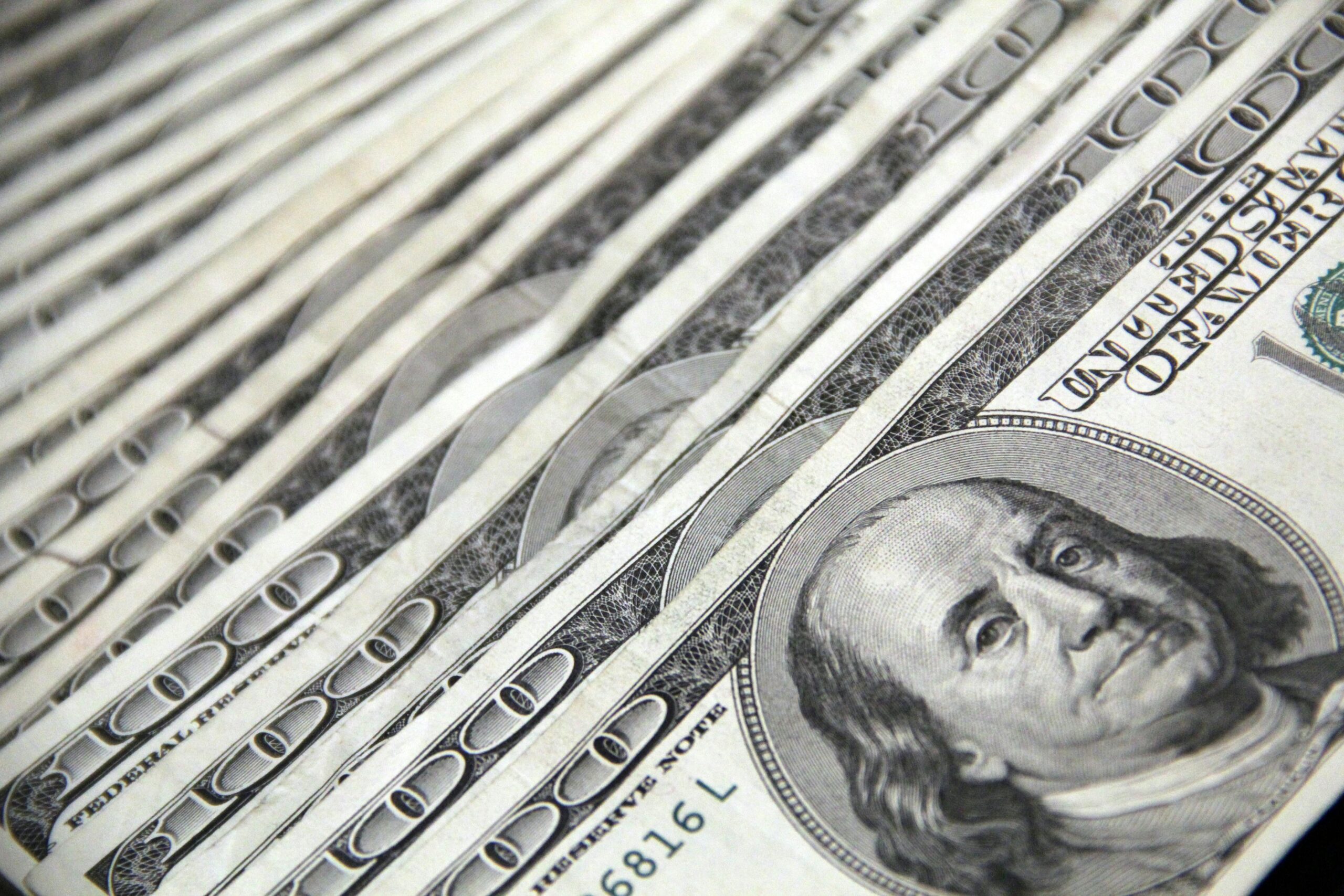
Former President Donald Trump has intensified his push for a nationwide distribution of $2,000 “tariff rebate” stimulus payments, declaring that most Americans should expect direct deposits once the plan is finalized. The proposal, promoted repeatedly across fundraising emails and media appearances in recent weeks, is now under active review by the White House and Trump’s economic advisers.
Trump claims that revenue generated from tariffs imposed on foreign countries can be redirected to households in the form of a one-time dividend. The former president has argued that tariffs have produced “hundreds of billions of dollars” in government income and insisted that the payments would go to low- and middle-income Americans, excluding high-income earners. However, the administration has not clarified how “high-income” will be defined or what income threshold would determine eligibility.
During a recent interview, Trump defended the economic impact of tariffs, asserting that inflation has remained low and that foreign countries and corporations primarily absorb the financial burden. He also maintained that the proposed $2,000 payment would differ from earlier stimulus efforts, which he criticized as relying on “made-up money.” According to Trump, the rebate would instead be funded directly from tariff revenue.
Multiple questions remain unresolved, including whether the payments would extend to children and dependents. Analysts note that the scope of eligibility could significantly affect the total cost. Estimates from the Tax Foundation suggest a price tag of approximately $300 billion if all adults earning under $100,000 qualify. The Committee for a Responsible Federal Budget places the figure at nearly $600 billion. Meanwhile, Treasury data indicates that total tariff revenue to date is roughly $195 billion—far short of projected program costs.
Policy experts note that congressional approval would almost certainly be required. With midterm elections approaching, the political implications are considerable. Democrats face a strategic challenge: supporting the measure could lend Trump a political advantage, while opposing it could be interpreted as rejecting direct financial relief amid ongoing affordability concerns.
Former Democratic presidential candidate Andrew Yang has urged Democratic lawmakers to consider backing the plan, arguing that any policy benefiting the working class should receive bipartisan support.
The White House has confirmed that the president is “committed” to moving forward, though officials acknowledge there is no timeline and that several legal and logistical questions must be resolved before any rollout can occur.
As discussions continue, the proposal is emerging as one of the most closely watched economic developments ahead of the upcoming midterm cycle.