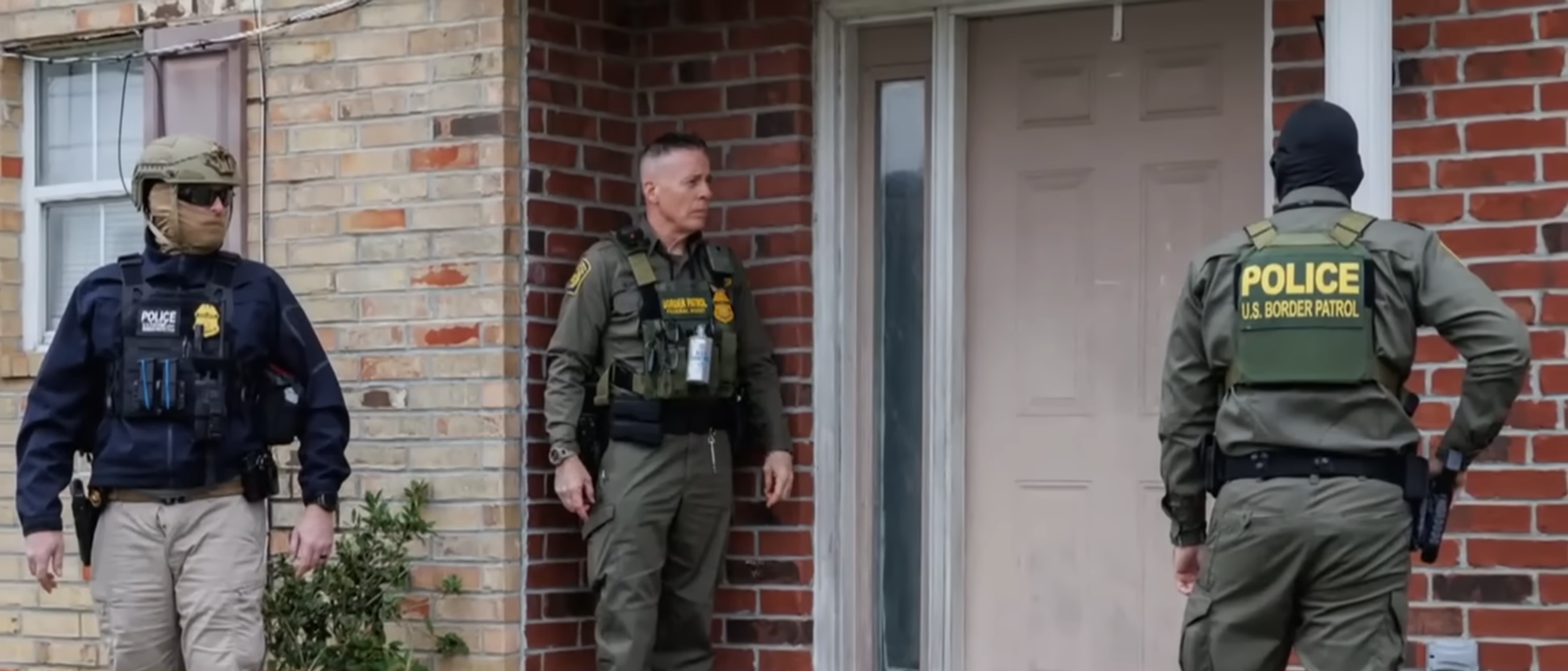
A large-scale immigration enforcement operation in New Orleans has entered its second week, generating significant concern among residents and local leaders. The Department of Homeland Security (DHS) has stated that the initiative is focused on apprehending “criminal illegal aliens,” yet many community members report being stopped regardless of their immigration status.
Internal documents reviewed by the Associated Press indicate that of the 38 individuals detained so far in the operation known as “Katahula Crunch,” only nine have been identified as having criminal convictions or suspected involvement in criminal activity. DHS has yet to release a full, detailed list of all detainees, providing only limited information on several individuals with prior criminal histories, including a registered sex offender and a suspect in a homicide case.
The lack of transparency has fueled frustration across the city. Over the weekend, more than four protests were held, with residents expressing fears of racial profiling and overly aggressive tactics. Community members report officers conducting stops that appear unrelated to criminal investigations, raising questions about the scope of the operation.
As tensions rise, residents have adopted grassroots methods to track enforcement activity. Many have turned to livestreams and social media updates to warn neighbors about agent locations. Churches and volunteer groups in nearby suburbs such as Kenner have delivered meals to families afraid to leave their homes.
One incident involving a 23-year-old U.S. citizen has amplified concerns. The woman, approached by masked, armed officers while walking home, fled in fear after attempting to explain her citizenship. DHS later stated that agents had been searching for an undocumented immigrant charged with theft who matched her description.
Local leaders say they have not been fully briefed on the operation, leaving communities uncertain about its duration or boundaries. With fear growing and daily life disrupted, residents continue demanding clarity and accountability from federal authorities as the enforcement effort moves forward.